


Written by: Manjeet Sehgal | Place: Shimla, Himachal Pradesh |Date: March 3, 2026 |Time: 9:00 PM
The Sukhu-led government in Himachal Pradesh faces a mounting crisis as primary teachers, pensioners, and state associations launch coordinated protests against the new cluster system and pending financial dues. With a one-week ultimatum issued by educators and legal challenges reaching the High Court, the administration must navigate severe budget constraints and political pressure ahead of a crucial Rajya Sabha seat battle. This report explores the growing friction between the state and its workforce.
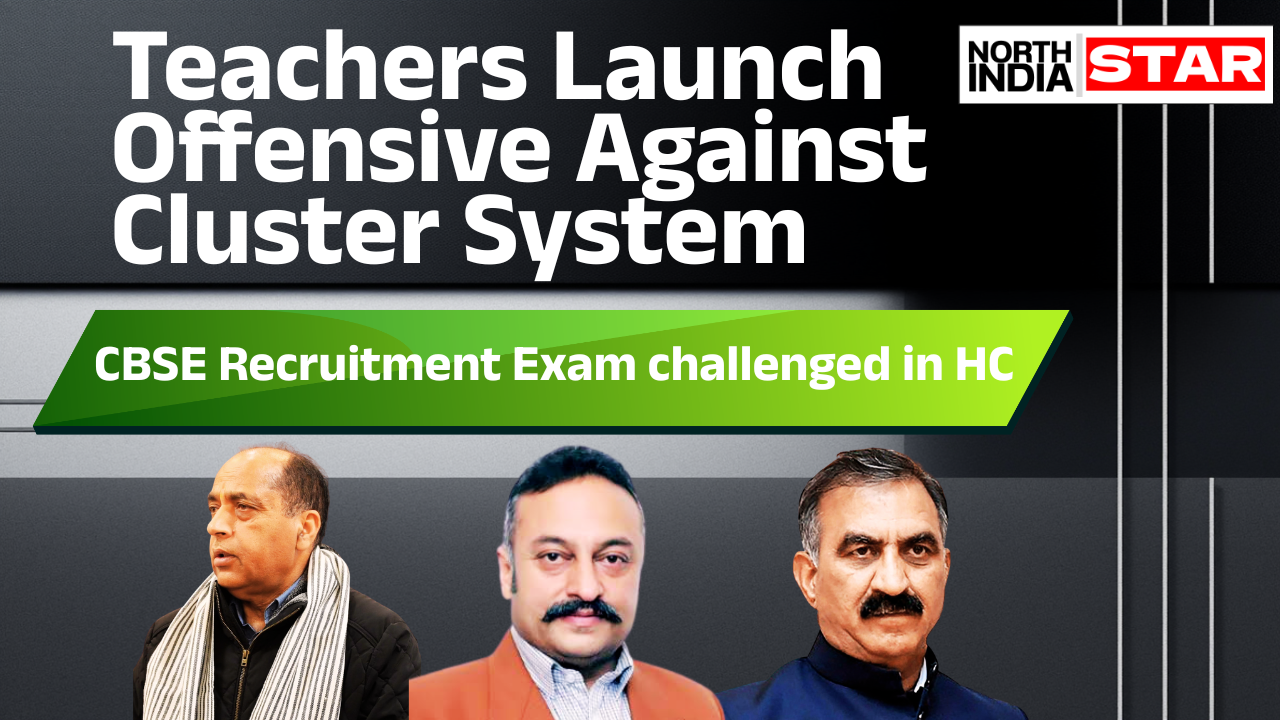
Teachers Launch Offensive Against Cluster System
Government employees in Himachal Pradesh are intensifying their agitation. The peaceful atmosphere of the “Land of Gods” is now filled with protest slogans. Primary teachers have officially declared a front against the administration. This conflict centers on the recently implemented primary school cluster system.
Teachers argue that this new system is practically impossible to manage. They believe it increases their workload significantly. Furthermore, educators claim it will harm the overall quality of school administration. Consequently, district-level protests have signaled that the staff is no longer willing to wait for reforms.
The Teachers’ Association has issued a strict one-week ultimatum. They warned that the movement will turn aggressive if the government ignores their demands. Resentment is also growing due to salary anomalies and delayed promotions. These issues have added fuel to the fire of the Himachal Pradesh employee protest.
Legal Battles and Educational Reforms
While primary teachers occupy the streets, other educators are heading to the courtroom. The State Teachers’ Association has challenged the government in the Himachal Pradesh High Court. This legal battle focuses on the format of exams being conducted for CBSE.
Teachers contend that the government is ignoring the state’s unique geographical conditions. They believe the current exam process is detrimental to both students and staff. Because the matter is now sub-judice, the government’s education reforms face a major legal hurdle. This situation complicates the administration’s plan to modernize the schooling framework.
Pensioner Demands and the Revenue Deficit Grant
The unrest extends beyond active teachers to the state’s retired workforce. Senior citizens and retired staff are currently protesting on the streets. They are demanding the immediate payment of arrears and medical reimbursements. According to Manjeet Sehgal, this anger creates a moral and electoral challenge for Chief Minister Sukhvinder Singh Sukhu.
The government is currently struggling with a severe financial crisis. The state treasury is nearly empty, yet employee demands continue to rise. Therefore, the administration is desperately lobbying the Central Government for help. They are trying to restore the Revenue Deficit Grant to bridge the fiscal gap. Without this central aid, meeting the employees’ financial needs will remain an uphill task.
Political Stakes and Controversial Appointments
Internal political pressure is also mounting alongside the street protests. The government must secure a victory for the upcoming Rajya Sabha seat. This election is seen as a test of the government’s survival and prestige. Chief Minister Sukhu must keep his MLAs united while managing the opposition’s clever strategies.
However, recent administrative decisions have further alienated the public and the youth. The government recently granted extensions and promotions to several retired employees. This move has caused immense outrage among serving staff who are waiting for their own promotions. Many believe that the government is favoring “retired favorites” over hardworking, eligible candidates.
The current situation in Himachal Pradesh has become a complex “Chakravyuh” for the leadership. The administration is caught between the primary school cluster system protest, legal suits, and a lack of funds. If the government fails to establish a direct dialogue with employees soon, the state’s stability may suffer. These tensions will likely play a decisive role in the upcoming political equations.
